Quick Answer
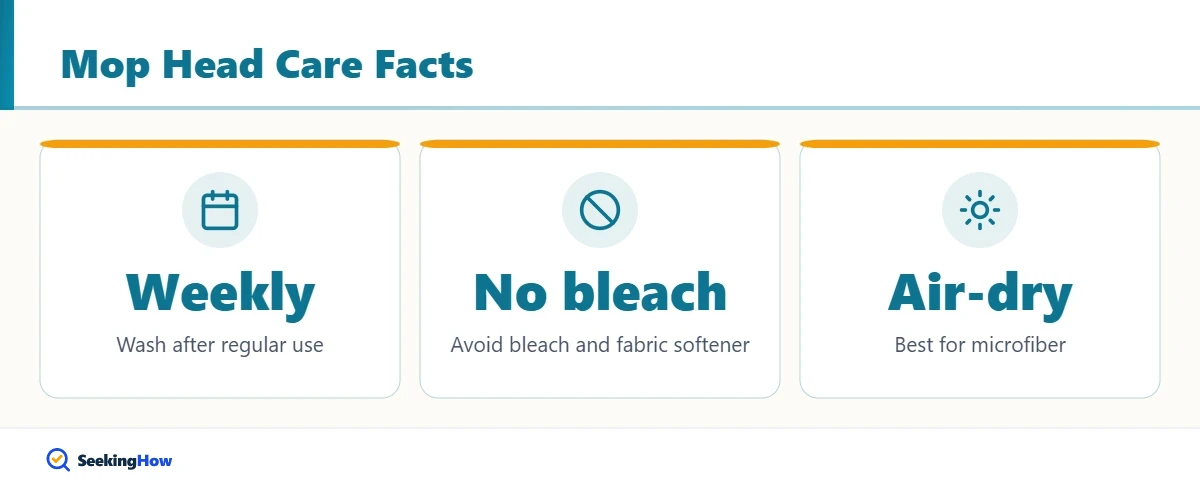
To clean an O-Cedar EasyWring microfiber spin mop head, pull it off the triangular base, rinse out loose debris, and machine wash it on a warm cycle with regular detergent and no bleach or fabric softener. Air-dry it completely before reattaching. Wash it after every one to two uses, and replace the refill about every three months.
Key Takeaways
- The EasyWring refill is machine washable; warm water and regular detergent are all it needs.
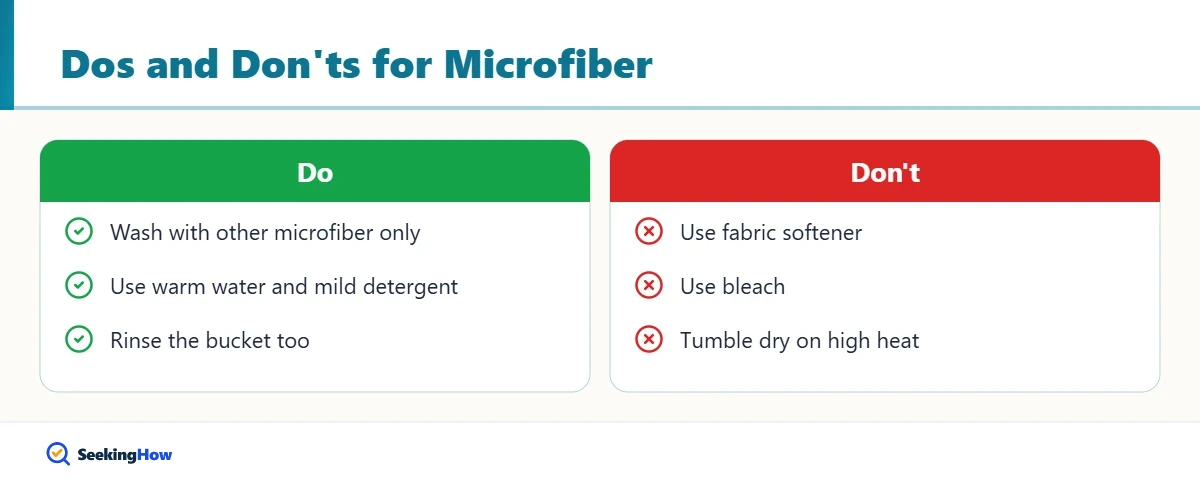
- Skip bleach and fabric softener, which damage microfiber and coat the fibers so they stop grabbing dirt.
- Air-drying (or a low tumble) protects the fibers and prevents a musty smell.
- Clean the bucket and wringer basket too, or you will put grime right back on the head.
- O-Cedar recommends replacing the refill about every three months with regular use.
A dirty mop head does not clean floors; it spreads gray film, odors and bacteria from room to room. The O-Cedar EasyWring head is designed to be removed and laundered, so keeping it fresh takes only a few minutes of hands-on time. Here is the full routine, plus a hand-wash method and fixes for smells and stains.
What Do You Need to Clean the Mop Head?
- Mild laundry detergent (liquid or powder, free of fabric softener)
- A washing machine, or a sink or bucket for hand washing
- Distilled white vinegar for odors (optional)
- Baking soda for heavy smells (optional)
- Rubber gloves
- A mesh laundry bag (optional, keeps lint off the head)
- A drying rack or well-ventilated spot
How Do You Machine Wash an O-Cedar Spin Mop Head?
Machine washing is the easiest and most thorough method. It takes about 5 minutes of work plus a normal wash cycle and drying time.
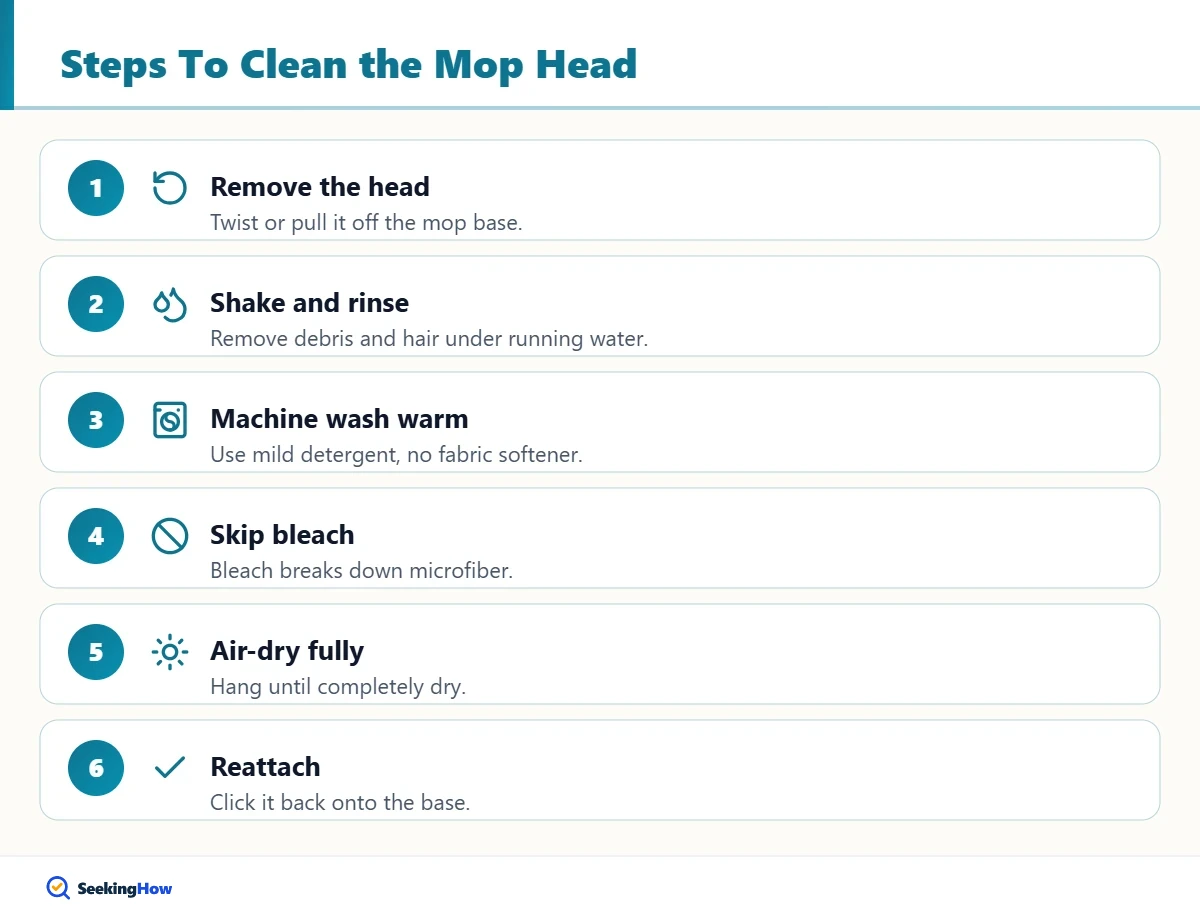
Step 1: Remove the Mop Head
Turn the mop upside down, hold the triangular base steady with one hand or step lightly on the head, and pull the microfiber refill straight off the base. It is held on by snap-fit tabs, so firm, even pressure works better than twisting. Wear gloves if the head is very dirty.
Step 2: Shake and Rinse Out Debris
Shake the head over a trash can to release hair, crumbs and grit, then rinse it under warm running water until the water runs mostly clear. Pull out any tangled hair by hand. Removing grit first keeps it from scratching the drum or redepositing on the fibers.
Step 3: Pre-Treat Odors or Stains
For a musty smell, soak the head for 30 minutes in a bucket of warm water with about one cup of white vinegar. For greasy kitchen grime, work a drop of dish soap into the fibers. Rinse before washing.
Step 4: Wash on a Warm Cycle
Place the head in the washer, ideally in a mesh bag, with other lint-free items such as microfiber cloths or towels you reserve for cleaning. Use a normal amount of regular detergent and a warm cycle. Do not add bleach or fabric softener, and avoid washing with cotton towels that shed lint into the microfiber.
Step 5: Dry Completely
Air-dry the head on a rack or hang it outdoors in a ventilated spot, which usually takes a few hours to overnight. If the care tag on your refill allows machine drying, use the lowest heat setting with no dryer sheets. Never reattach or store the head damp, which leads to mildew odors.
Step 6: Reattach the Head
Line the refill up with the triangular base and press down firmly until it clicks into place on all sides. Give it a gentle tug to confirm it is secure before you start mopping.
How Do You Hand Wash the Mop Head?
If you do not want the mop head in your washing machine, hand washing works well for routine cleaning.
- Fill a bucket or sink with warm water and a small squirt of laundry detergent or dish soap.
- Submerge the head and agitate it vigorously for 2-3 minutes, squeezing the fibers.
- Let it soak for 15-20 minutes, then swish again.
- Rinse in clean water until no suds remain; leftover soap leaves streaks on floors.
- Use the spin wringer in the bucket to remove most of the water, then air-dry.
Tip: Between deep cleans, rinse the head in hot tap water right after mopping and spin it dry in the wringer. That simple habit prevents most odor problems.
Which Cleaning Products Are Safe for Microfiber?
| Product | Safe for Microfiber Mop Head? | Why |
|---|---|---|
| Regular laundry detergent | Yes | Removes dirt and oils without damaging fibers |
| White vinegar | Yes, as a soak or rinse | Helps neutralize odors and residue |
| Baking soda | Yes, as a soak | Absorbs stubborn smells |
| Fabric softener or dryer sheets | No | Coats fibers so they stop trapping dirt |
| Chlorine bleach | No | Weakens and degrades microfiber over time |
| High dryer heat | No | Can melt or stiffen the synthetic fibers |
How Do You Get a Bad Smell Out of a Spin Mop Head?
A sour or mildew smell means bacteria grew in fibers that stayed damp. To reset it, soak the head for 30-60 minutes in warm water with one cup of white vinegar, rinse, then soak again in warm water with a half cup of baking soda. Machine wash as above and dry fully in sunlight or a breezy spot. Do not mix vinegar and baking soda in the same soak; they neutralize each other.
If the smell returns within a day or two of washing, the fibers are likely worn out or permanently soiled, and it is time for a replacement refill.
How Do You Clean the Bucket and Wringer?
The bucket’s spin basket collects hair and sludge that will re-soil a clean head. After every few uses, empty the bucket, lift out or rinse the wringer basket, and scrub the bucket with hot soapy water and a brush. Rinse and let it air-dry upside down. Applying the same habit to other tools helps too; see how to clean a broom and dustpan.
How Often Should You Clean and Replace the Mop Head?
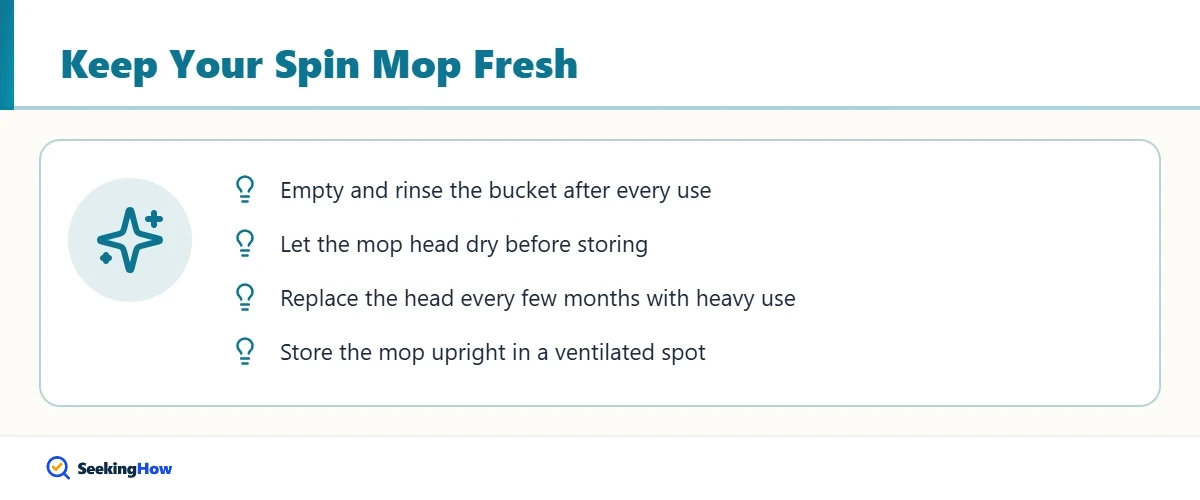
- After every use: Rinse in hot water and spin dry.
- Every 1-2 uses: Machine or hand wash, more often in kitchens, bathrooms or homes with pets.
- Immediately: After mopping up raw meat juices, pet accidents or illness-related messes.
- About every 3 months: Replace the refill, as O-Cedar recommends, or sooner if fibers are matted, thin or smelly after washing.
If you mop after a sick household member, disinfect hard surfaces separately with an EPA-registered product; our guide on how to use Lysol disinfectant spray properly explains contact times.
Common Mistakes to Avoid
- Storing the mop head wet inside the bucket.
- Using too much floor cleaner, which leaves sticky residue in the fibers and on floors.
- Washing the head with lint-heavy cotton towels.
- Using the same head for bathroom and kitchen floors without washing in between.
- Mopping before sweeping, which packs grit and crumbs into the microfiber. Sweeping first also keeps food bits that attract pests off the floor; see how to get rid of ants in the house quickly.
Frequently Asked Questions
Can you put the O-Cedar mop head in the washing machine?
Yes. The EasyWring microfiber refill is designed to be machine washed. Use a warm cycle with regular detergent, skip bleach and fabric softener, and wash it with other lint-free items. A mesh laundry bag helps protect the fibers and keeps lint off the head.
Can you put the O-Cedar mop head in the dryer?
Air-drying is the safest choice for microfiber. If the care information for your refill allows tumble drying, use the lowest heat setting without dryer sheets, since high heat can damage the synthetic fibers and dryer sheets coat them so they trap less dirt.
Can I use bleach on my spin mop head?
Avoid chlorine bleach on the microfiber head. It weakens the fibers and shortens the refill life. For odors, use a white vinegar or baking soda soak, then wash normally. Disinfect your floors separately with a product made for hard surfaces if needed.
How do you remove the O-Cedar EasyWring mop head?
Turn the mop upside down, hold the triangular base steady or step lightly on the head, and pull the refill straight off. It attaches with snap-fit tabs, so steady downward pressure releases it. Reattach by pressing the new or clean head onto the base until it clicks.
Why does my mop head still smell after washing?
Lingering odor usually means the head stayed damp too long and bacteria settled deep in the fibers, or detergent and cleaner residue built up. Try a vinegar soak followed by a baking soda soak and a full dry. If the smell returns quickly, replace the refill.